Source CE Approved Inflatable Pirate Ship with Blower for Amusement Parks, Schools, and Family Events
Source CE approved inflatable pirate ship with blower from 30 verified suppliers offering giant slides for amusement parks, schools, and family events. Compare sizes, materials, and prices to find the right option for your outdoor entertainment needs.
Key considerations
Products List
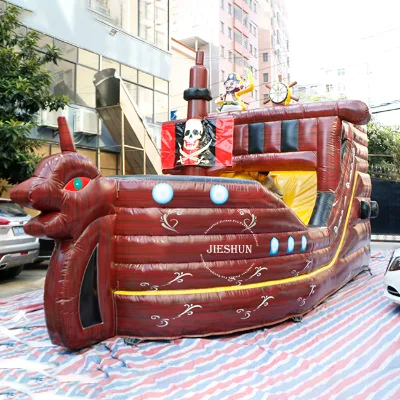
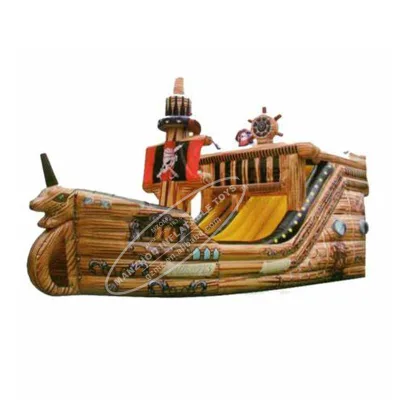




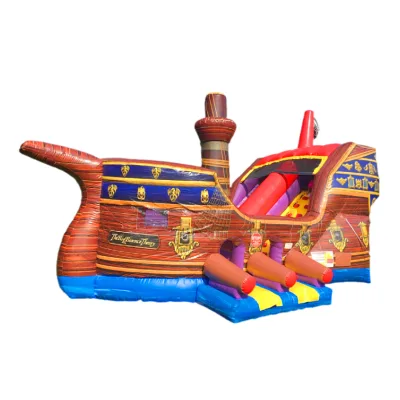


Comprehensive Sourcing Guide
CE Approved Inflatable Pirate Ship with Blower Sourcing Guide
Procuring large-scale inflatable structures requires a disciplined approach to verifying both safety compliance and operational readiness. The core keyword "ce approved inflatable pirate ship with blower" points to a specific category of commercial-grade amusement equipment designed for high-traffic environments. Buyers must distinguish between products that are merely marketed as "CE approved" and those that carry valid, verifiable certification documentation for the specific model being purchased. This guide provides a structured framework for evaluating suppliers, verifying technical specifications, and ensuring that the final product meets the rigorous safety standards required for public use.
The inflatable pirate ship represents a popular theme in outdoor entertainment, combining aesthetic appeal with functional play value. These structures are typically constructed from heavy-duty PVC tarpaulin and are designed to withstand continuous use by children and adults. The inclusion of a blower is critical for the operation of the unit, as it maintains the necessary air pressure to keep the structure upright and safe. Buyers should focus on sourcing from manufacturers who provide complete operational packages, including the main inflatable body, the air blower, and essential accessories like sandbags and repair kits, to ensure a turnkey solution for their venue.
Product Scope and Observed Listing Signals
The market for inflatable pirate ships exhibits a wide range of product variations, which can be observed through listing signals such as size, material thickness, and included accessories. Observed data indicates that product sizes can vary significantly, with some models measuring approximately 7.26 by 3.82 by 3.28 meters, while larger commercial units may reach dimensions of 18.3 by 3.8 by 4.9 meters. These dimensional differences directly impact the footprint required for installation and the capacity of the structure. Buyers must carefully match the physical dimensions of the inflatable to the available space at their venue, ensuring there is adequate safety clearance around the perimeter for spectators and emergency access.
Material quality is another critical signal that distinguishes professional-grade equipment from lower-quality alternatives. The supplied facts highlight the use of 0.55mm PVC tarpaulin, a specification that suggests a balance between durability and weight. This material thickness is commonly used in commercial inflatables to resist punctures and abrasion from frequent use. Additionally, the presence of features such as custom printing, various color options, and specific design styles like "Pirate Ship" indicates that manufacturers offer customization services. Buyers should verify that the material specified in the contract matches the physical sample or technical datasheet provided by the supplier, as variations in PVC quality can affect the lifespan and safety of the unit.
Technical Specifications to Verify
Verifying the technical specifications of the inflatable pirate ship is essential to ensure it meets the operational needs of the venue. Key specifications to confirm include the fabric thickness, which should be consistent across all panels, and the structural integrity of the seams and joints. The single gross weight of some observed models is around 200 kg, which indicates the substantial mass of the material and the complexity of the design. Buyers should request detailed technical drawings that show the load-bearing points and the distribution of air chambers, as this information is crucial for planning the installation and anchoring system.
The air blower is a critical component that must be compatible with the inflatable’s air volume and pressure requirements. Listings often indicate whether the blower is included or sold separately, and whether it is certified for safety. Buyers must verify the blower’s power rating, noise level, and durability, as these factors affect the user experience and operational costs. Additionally, the inclusion of accessories such as sandbags and repair kits is vital for on-site maintenance and stability. The repair kits should contain matching PVC material and specialized glue, ensuring that minor damages can be fixed quickly without compromising the structural integrity of the inflatable.
Compliance and Safety Documentation
Compliance with safety standards is non-negotiable for commercial inflatable operations. The term "CE approved" implies that the product meets the essential health and safety requirements of European directives, but buyers must verify the validity of the certification. Relevant standards such as EN14960 for inflatable amusement devices provide specific guidelines for design, construction, and safety. Buyers should request copies of the test reports and certificates from accredited laboratories, ensuring that the certification covers the specific model and configuration being purchased. This documentation is often required for insurance purposes and regulatory inspections at the venue.
In addition to CE certification, other regional standards may apply depending on the location of the venue. For instance, some suppliers mention compliance with Australian Standards, which have their own rigorous requirements for inflatable safety. Buyers should clarify which standards the product is certified against and ensure that these standards are recognized and accepted by local authorities. The allowable passenger count, which may be listed as five or more, should be clearly defined and enforced through signage and operational protocols. Proper documentation helps mitigate liability and ensures that the inflatable is used safely by the public.
Cost Drivers and Commercial Terms
The cost of an inflatable pirate ship is influenced by several factors, including size, material quality, customization options, and the inclusion of accessories. Observed price ranges in the market can vary widely, reflecting differences in manufacturing costs and supplier margins. Buyers should obtain detailed quotations that break down the costs of the inflatable body, the blower, shipping, and any customization fees. It is important to note that the minimum order quantity (MOQ) for these items is often low, sometimes as low as one piece, which allows for flexible procurement but may affect unit pricing.
Commercial terms such as lead time, shipping method, and payment terms also play a significant role in the total cost of ownership. Lead times for customized inflatables can extend to 25 working days or more, depending on the complexity of the design and the manufacturer’s production schedule. Shipping is typically handled via ocean freight due to the large volume and weight of the product, which can impact delivery costs and timelines. Buyers should negotiate clear terms regarding packaging, such as the use of strong PVC tarpaulin bags or wooden cases, to ensure the product arrives in good condition. Understanding these commercial dynamics helps in budgeting accurately and planning the project timeline effectively.
Supplier Qualification and Quality Control
Selecting a reliable supplier is crucial for ensuring the quality and safety of the inflatable pirate ship. Buyers should verify the supplier’s manufacturing capabilities, including their production facilities and quality control processes. Suppliers located in industrial hubs like Guangdong, China, often have established supply chains and expertise in producing commercial inflatables. However, buyers must conduct due diligence to confirm that the supplier is a legitimate manufacturer and not just a trading company. Requesting factory audits or video tours can provide insight into the production environment and the level of quality control implemented.
Quality control checks should be performed both during production and before shipment. Buyers should specify acceptance criteria for material thickness, seam strength, and print quality in the purchase contract. Third-party inspection services can be engaged to verify that the product meets the agreed-upon specifications before it leaves the factory. Additionally, buyers should ensure that the supplier provides comprehensive after-sales support, including technical assistance and access to spare parts. A reliable supplier will stand behind their product and offer timely solutions to any issues that may arise during the operational life of the inflatable.
Long-Term Procurement Checks
Long-term procurement success depends on establishing a sustainable relationship with the supplier and implementing ongoing quality assurance measures. Buyers should monitor the performance of the inflatable over time, tracking issues such as material degradation, seam failures, or blower malfunctions. Regular maintenance and timely repairs are essential to extend the lifespan of the inflatable and ensure continued safety. Buyers should work with the supplier to develop a maintenance plan that includes routine inspections and cleaning procedures.
As technology and safety standards evolve, buyers must stay informed about updates to regulations and industry best practices. This may involve upgrading older models or replacing components with newer, safer alternatives. Maintaining open communication with the supplier can facilitate access to new products and improvements. By focusing on long-term value rather than just initial cost, buyers can ensure that their inflatable pirate ship remains a safe, attractive, and profitable asset for their venue. This proactive approach helps mitigate risks and maximizes the return on investment over the life of the equipment.
FAQs
What certifications does the inflatable pirate ship have?
The product holds CE, EN71, and EN14960 certifications to ensure safety compliance. These standards verify that the inflatable slide meets international safety requirements for amusement equipment used in parks and schools.
Can I customize the size and design of the slide?
Yes, the design and size can be customized to meet specific project needs. Buyers can request different dimensions or styles, such as the pirate ship theme, while maintaining the required safety material standards.
What is the minimum order quantity for this inflatable?
The minimum order quantity is one piece for most suppliers. This low MOQ allows buyers to test the market or purchase a single unit for small community events without needing bulk commitments.
How long does it take to manufacture and ship the order?
The lead time is typically 25 working days for production. Shipping is usually arranged via ocean freight, though air shipping options may be available depending on the urgency and destination requirements.
What material is used to construct the inflatable pirate ship?
The slide is constructed from 0.55mm PVC tarpaulin material for durability. This heavy-duty fabric ensures the structure can withstand frequent use while remaining safe for children in outdoor entertainment settings.
Does the product come with an air blower included?
Some listings include an air blower while others list it as un-included. Buyers should verify the specific package details, as accessories like sandbags and repair kits are often provided separately or included based on the supplier.